
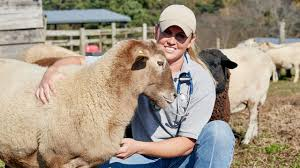
Your health and your pet’s health are tied together. When your pet gets sick, germs can move through your home and your community. Animal hospitals stand on the front line of that risk. They spot new diseases early. They track infections that can spread from animals to people. They also guide you on vaccines, safe food handling, and bite prevention. Every routine visit protects more than one life. It protects you, your family, and your neighbors. A veterinarian in Bartlett watches for warning signs that might seem small to you. That cough, rash, or sudden change in behavior can point to a larger threat. Public health workers rely on that early signal. They use it to stop outbreaks and protect water, food, and air. When you choose regular care for your pet, you support a quiet shield around your community.
How Animal Hospitals Protect You Every Day
Every exam room visit does three things at once. It checks your pet. It protects your home. It guards your community.
In one visit, your animal hospital team can
- Find early signs of disease in your pet
- Stop germs that can move from pets to people
- Teach you simple steps that keep your family safe
Your pet cannot explain pain, fever, or nausea. You see only a small change. Maybe less play. Maybe eat less. The team at the hospital reads those quiet signs. They use exams, lab tests, and vaccines to stop problems before they grow.
The Centers for Disease Control and Prevention explains that many new human diseases start in animals. You can read more on their page on zoonotic diseases at CDC One Health Zoonotic Diseases. Your animal hospital forms part of that defense line.
Germs That Move Between Pets And People
Some infections pass between animals and people. These are called zoonotic diseases. They can come from bites, scratches, saliva, urine, stool, or even from flea and tick bites.
Common examples include
- Rabies from bites
- Ringworm from skin contact
- Salmonella from contaminated food or stool
- Tick-borne disease from parasites on pets
These germs can hit children, older adults, and people with weak immune systems very hard. A healthy pet lowers that risk. Clean fur. Clear eyes. Up-to-date vaccines. Regular parasite checks. All those steps guard the whole household.
Vaccines: Protection For Your Pet And Your Neighborhood
Vaccines do more than protect one animal. They cut off the path that germs use to move through a community. When most pets in one town stay current on vaccines, dangerous diseases lose their fuel.
Your animal hospital tracks which vaccines your pet needs. They also keep records that help public health teams spot patterns. If a disease appears in one area, those records help answer three questions.
- Where did it start
- How far has it spread
- Which pets and people might be in danger
The United States Department of Agriculture explains how animal health links to food safety and human health through its Animal and Plant Health Inspection Service. You can read more at USDA APHIS Animal Health.
How Animal Hospitals Support Local Public Health
Animal hospitals do quiet work that you rarely see. They share key information with public health teams when needed. They may report
- Rabies cases and bites
- Unusual clusters of sick animals
- New diseases that show up in lab tests
This information gives health workers an early warning. It helps them decide when to test water, warn schools, or alert doctors. One sick pet can signal a problem with local wildlife, stray animals, or pests. Quick sharing of data shortens outbreaks and saves lives.
Comparison: Routine Pet Care And Community Impact
| Routine Pet Care Step | Direct Benefit For Your Pet | Public Health Benefit |
|---|---|---|
| Yearly checkup | Finds illness early and reduces suffering | Spots new disease trends in the community |
| Core vaccines | Prevents deadly infections | Stops the spread of germs like rabies to people |
| Flea and tick control | Prevents itching, anemia, and skin issues | Lowers risk of tick-borne disease in people |
| Deworming and stool checks | Protects digestion and growth | Reduces parasites that can infect children |
| Spay or neuter | Prevents some cancers and behavior problems | Limits stray populations that can spread disease |
| Bite wound treatment | Prevents infection and pain | Ensures rabies checks and reports when needed |
Your Role In This Shared Safety Net
You help protect public health every time you take simple steps for your pet. You can
- Keep vaccines current
- Use flea, tick, and heartworm prevention as directed
- Pick up pet waste and throw it in the trash
- Wash hands after handling pets, food, or litter
- Teach children not to kiss pets on the mouth or face
- Call your animal hospital when your pet acts very differently
These steps may feel small. They carry weight. A missed vaccine can lead to one case, then ten, then a full outbreak. A quick call about a strange symptom can trigger testing that stops a new disease from spreading.
When To Call Your Animal Hospital
Call your animal hospital right away if your pet
- Bites or scratches a person
- Gets bitten by a wild animal or unknown pet
- Has sudden fever, vomiting, or diarrhea
- Shows trouble breathing or a strong cough
- Acts confused, aggressive, or unusually tired
Quick action protects your pet. It also protects anyone who had contact with your pet. Your call gives the hospital a chance to watch for similar cases in other animals.
Shared Health, Shared Responsibility
Your pet brings comfort, routine, and calm to your home. That bond deserves protection. Animal hospitals and public health teams work together to guard that bond. They watch, test, treat, and report.
Your choices complete that partnership. When you schedule regular visits, follow vaccine plans, and ask questions, you help hold a safety net that reaches beyond your front door. You protect your pet. You protect your family. You protect people you will never meet.