
Allergies in pets cause steady misery. Constant scratching. Red skin. Ear infections that keep coming back. You may worry something serious is hiding under these signs. You also may not know where to start. Your first step is to your general veterinarian. This trusted guide listens to your concerns, studies your pet’s history, and looks closely at the skin, ears, and coat. Then your veterinarian sorts out which problems are likely allergies and which point to infection, parasites, or something else. Many allergy tests begin right in that exam room. Skin checks. Ear swabs. Food trials. Blood work when needed. Your general veterinarian can also decide when to refer you to a specialist. If you see a veterinarian in Rock Hill, SC, that doctor plays the same key role. You do not face this alone. With the right plan, your pet can rest, heal, and return to a steady, calmer life.
How Your Veterinarian Starts The Allergy Search
Your veterinarian begins with three simple steps. History. Exam. Basic tests. These first steps often point straight at the cause of the itching.
- History. You share when the itching started, what seasons are worst, and what foods your pet eats.
- Exam. The doctor checks skin, ears, paws, eyes, and coat for patterns of redness or hair loss.
- Basic tests. Simple checks rule out mites, fleas, and skin infection before true allergy testing starts.
These steps protect your pet from guesswork. They also save you time and money. Many pets improve after this first round because the cause is fleas, infection, or diet, not a long-term allergy.
Common Allergy Tests Your General Veterinarian Uses
General veterinarians use a small set of tests again and again. Each test answers a different question. Together, they give a clear picture.
| Test | What It Checks | What You Can Expect |
|---|---|---|
| Skin scrapings | Mites and some infections | Small samples from the skin surface. Mild, brief discomfort. |
| Flea comb test | Fleas and flea dirt | Comb through coat. Many pets relax during this. |
| Ear swabs | Yeast and bacteria in ears | Soft swab from ear canal. Quick and simple. |
| Skin cytology | Cells, yeast, and bacteria on skin | Tape or slide pressed on skin. No pain. |
| Diet trial | Food allergy | Strict special diet for 6 to 8 weeks. Close tracking at home. |
| Blood allergy test | Reaction to pollens, dust, and molds | Single blood draw. Lab checks for allergy-related antibodies. |
Your veterinarian explains why each test matters. You know what to watch for and how to support your pet between visits.
Food Allergies And The Role Of Diet Trials
Many families hope for a quick blood test for food allergies. Current science does not support that. The United States Food and Drug Administration explains that food problems in pets are best found through a strict diet trial and a later food challenge. You can read more in this guidance from the FDA at https://www.fda.gov/animal-veterinary/animal-health-literacy/pet-food-allergies-and-intolerances.
Your veterinarian guides you through three diet steps.
- Pick a balanced special food that avoids common triggers such as beef, chicken, or dairy.
- Feed only that food and approved treats for two months.
- Reintroduce old foods one at a time to see what brings the itching back.
This process takes patience. It also gives clear answers. You gain control over your pet’s daily comfort through simple food choices.
Environmental Allergies And Blood Testing
Some pets itch most during certain seasons or in certain rooms. That pattern often points to environmental triggers such as pollen or dust. Your general veterinarian may order a blood test to measure antibodies linked to these allergens.
The blood test does not cure the allergy. It helps build a treatment mix. That mix may include special allergy serum, stronger control of dust, and changes to walks during high pollen times. Your veterinarian turns lab numbers into clear steps you can use at home.
When Your Veterinarian Refers You To A Specialist
General veterinarians handle many allergy cases from start to finish. Sometimes they call in extra help. Referral to a board-certified dermatologist often happens when:
- Itching stays severe despite careful treatment.
- Repeated skin infections keep coming back.
- Your pet needs advanced tests such as intradermal skin testing.
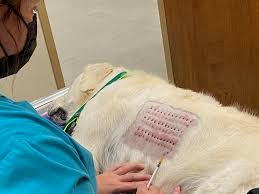
Intradermal testing places tiny amounts of allergens under the skin and watches for swelling. This test often guides custom allergy shots. The American College of Veterinary Dermatology explains this process and training at https://acvd.org/. Your general veterinarian stays part of your pet’s team even after referral. You keep one main doctor who knows your pet well.
Ongoing Care And What You Can Do At Home
Allergy care does not end with one test. It becomes part of daily life. Your veterinarian helps you build three main habits.
- Regular rechecks. Follow-up visits track skin, weight, and comfort. Treatment changes as your pet grows or seasons shift.
- Home routines. Flea control, bathing plans, and ear cleaning protect progress and prevent flare ups.
- Watch and record. Simple notes on flare days, food, and weather help your veterinarian adjust care over time.
These habits turn a confusing problem into a clear plan. You move from panic during each flare to calm, steady action.
Why Starting With Your General Veterinarian Matters
You do not need to sort allergy tests on your own. Your general veterinarian knows which tests give the most helpful answers, which treatments fit your pet, and when to bring in a specialist. Early help lowers the risk of long-term skin damage, ear scarring, and constant pain.
With the right partner, allergy testing becomes less about fear and more about control. You see your pet resting with less scratching. You hear fewer cries in the night. You feel less guilt and more relief. That change often starts with one exam and one honest talk with your veterinarian.