
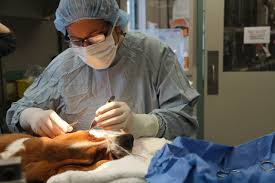
Spay and neuter programs protect both animals and people. They cut down on stray litters, reduce suffering, and lower the risk of bites and disease. Yet these programs only work when veterinary hospitals stand at the center. You need trained hands, clean tools, and safe medicine. You also need someone who can watch for pain, infection, or bleeding after surgery. A veterinarian in St. Joseph, Missouri knows that every surgery carries risk. So the clinic team checks weight, age, and health before surgery. Then they use safe drugs and clean rooms. After surgery, they give clear home care steps and watch for problems. Without this structure, animals can wake in fear, be hurt for days, or even die. With it, they wake in calm, eat again, and heal. That difference shapes every spay and neuter program.
How Veterinary Hospitals Keep Surgery Safe
Spay and neuter surgery is common. It is still real surgery. Your pet needs careful planning before the first cut. A hospital team looks at three things.
- Current health
- Safe drugs for pain and sleep
- Clean tools and clean space
First, the staff takes a full history. They ask about past illness, vaccines, and any strange behavior. They listen to the heart. They check the lungs. They may run blood work. This simple step can catch hidden heart or kidney problems.
Second, they choose the right drugs. Young pets, older pets, and sick pets all need different plans. Careful dosing can prevent low blood pressure or trouble with breathing. Staff keep your pet on monitors from start to finish. They watch heart rate, breathing, and temperature in real time.
Third, strict cleaning rules prevent infection. Tools are sterilized. Tables and floors are scrubbed. Staff wash their hands, wear gloves, and caps. This routine lowers the risk of sepsis and wound infection.
Why Spaying and Neutering Requires Medical Skill
Some people think spaying and neutering is simple. Cut, tie, and close. Reality is harder. The body is full of blood supply and fragile tissue. One slip can cause heavy bleeding. One missed step can leave tissue behind. That tissue can twist or tear later.
Veterinary hospitals train staff to handle three surgical threats.
- Bleeding
- Pain
- Infection
During surgery, a trained surgeon knows where the main vessels lie. They clamp and tie them in order. They can respond fast if bleeding starts. They also use gentle handling. This reduces bruising and swelling.
Pain control starts before the first cut. The team gives pain medicine before and during surgery. Then they send you home with clear dosing instructions. Good pain control helps pets eat sooner, move sooner, and heal faster.
Infection risk does not end when the stitches go in. It continues at home. Hospital staff teach you how to keep the incision clean. They explain the signs of trouble. Redness, heat, pus, or a bad smell mean your pet needs help.
For a clear background on spay and neuter health effects, you can read the American Veterinary Medical Association guidance.
read more : Techniques Professional Photographers in New Jersey Use to Highlight Boudoir’s Natural Charm
Hospital Support Before And After Surgery
Safe surgery is not just what happens on the table. It is also what happens the week before and the week after. Veterinary hospitals guide you through three stages.
- Pre surgery visit
- Surgery day
- Recovery check
At the pre-surgery visit, the staff confirms vaccines. They may test for heartworm or other diseases. They explain fasting rules. Many pets must skip food for a short period before anesthesia. This reduces the risk of vomiting and choking.
On surgery day, the staff set an IV line. They give fluids to support blood pressure. They place your pet on a warm surface to prevent low body temperature. They track vital signs until your pet wakes up.
After surgery, they give written and spoken instructions. These can include.
- How long to restrict running and jumping
- How to give pain medicine
- When to return for suture removal or a recheck
If you feel unsure at home, you can call the hospital. That call can prevent small problems from turning into emergencies.
Why Hospital Based Programs Protect Communities
Spaying and neutering are not only about your pet. It shapes public health. It affects how many animals wait in shelters or live on the street.
The Centers for Disease Control and Prevention explain that animal bites and stray populations can increase disease risk for people. You can view their guidance on rabies and pet care. Spay and neuter programs lower those threats. Fewer litters mean fewer stray animals. Fewer strays mean fewer bites and less fear in neighborhoods.
Veterinary hospitals support these programs by offering.
- Reliable surgery capacity
- Accurate records of each pet
- Clear links with shelters and rescue groups
When shelters can count on hospital partners, they can plan outreach days. They can target zip codes with high stray counts. They can track results over time.
Sample Comparison Of Spay And Neuter Settings
The table below shows common differences between surgery done in a full veterinary hospital and surgery done in a temporary or low-structure setting.
| Factor | Veterinary Hospital | Low Structure Setting |
|---|---|---|
| Pre surgery exam | Full physical exam with records | Limited or no exam |
| Blood work | Available when needed | Often not available |
| Anesthesia monitoring | Continuous monitoring with trained staff | Sporadic checks |
| Pain control | Planned before, during, and after surgery | Single dose or unclear plan |
| Infection control | Strict cleaning and sterilization | Variable cleaning practices |
| Emergency response | Equipment and drugs on site | Limited or absent |
| Follow up care | Scheduled recheck and phone support | Few or no follow up options |
How You Can Support Safe Spay And Neuter
You play a crucial role in this work. You can protect your pet and also help your community. You can take three simple steps.
- Plan early
- Use a trusted veterinary hospital
- Follow every recovery instruction
Plan early by talking with your clinic at your pet’s first visit. Ask when they suggest spaying or neutering based on size and breed. Bring all questions. No concern is small.
Use a trusted hospital that explains its process. Ask who will monitor anesthesia. Ask what happens if your pet has trouble waking up. Clear answers show strong systems.
Follow recovery instructions even when your pet seems fine. Jumping on furniture or licking the incision can rip stitches. That can lead to pain and infection. It can also mean another surgery.
When you work with a veterinary hospital, you give your pet a safer path through surgery. You also help control suffering in your own community. That choice shows real care.