
Losing a tooth is more than just a cosmetic issue—it can impact your daily life. From chewing your favorite foods to feeling confident in your smile, missing teeth affect your oral health, your appearance, and even your self-esteem.
What Are Dental Implants?
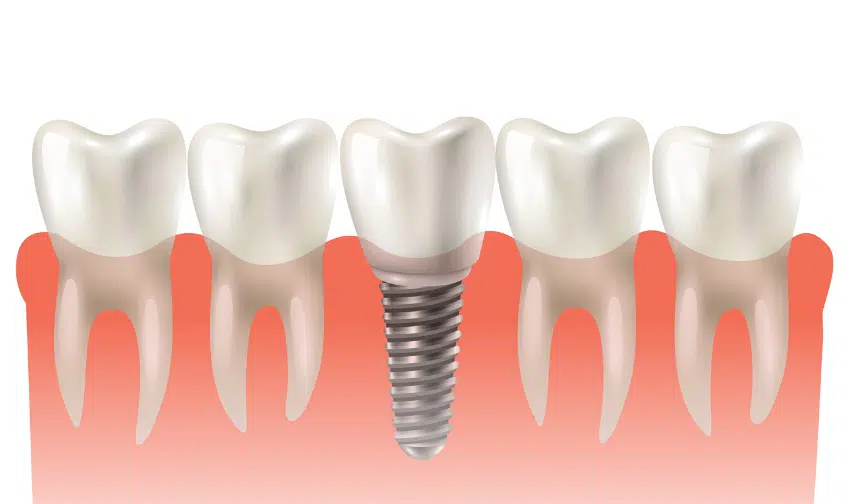
Dental implants are a permanent, long-lasting solution for missing teeth. They consist of three main parts:
- The Implant – A titanium screw placed into your jawbone, acting as a sturdy root for the tooth.
- The Abutment – A connector piece that attaches the implant to the crown.
- The Crown – The visible part of the implant, custom-designed to blend seamlessly with your natural teeth.
Unlike dentures or bridges, dental implants are fixed into your jaw, creating a secure and natural-looking replacement. This innovative approach makes them an excellent choice for patients seeking a durable and functional solution.
Benefits of Dental Implants
Dental implants do more than fill the gap left by a missing tooth. Here’s why they stand out as the preferred choice for many:
- Improved Oral Health: Implants integrate with your jawbone and prevent bone loss—something that dentures and bridges cannot achieve. They also help maintain the alignment of your surrounding teeth.
- Durability: With proper care, dental implants can last a lifetime, making them a cost-effective investment in your oral health.
- Natural Appearance: Implants are custom-made to look and feel like your natural teeth. Most people won’t even notice you have them.
- Enhanced Functionality: Unlike removable dentures, implants provide excellent stability, allowing you to eat, speak, and laugh without worry.
The Process of Getting Dental Implants
Wondering what to expect when getting dental implants? Here’s an overview of the process broken down into a few key steps:
- Initial Consultation: Your dentist or oral surgeon will assess your oral health and determine whether dental implants are suitable for you.
- Treatment Planning: A custom treatment plan is created based on your specific needs, including X-rays and 3D imaging of your mouth and jaw.
- Implant Placement: The titanium implant is surgically inserted into your jawbone. Healing time (usually 3-6 months) allows the implant to fuse with the bone in a process called osseointegration.
- Abutment and Crown: Once the implant is integrated, the abutment is attached, and a custom-made crown is placed on top to complete the process.
While getting dental implants takes a bit of time, the results are worth the wait.
Who Is a Suitable Candidate for Dental Implants?
Not everyone is an ideal candidate for dental implants, but many people are. Here are some factors to consider:
- Healthy Gums and Jawbone: You need sufficient bone density to support the implant. Those with bone loss may need a bone graft procedure.
- Good Overall Health: Chronic conditions like diabetes or habits like smoking may affect the healing process, so it’s important to discuss these with your dentist.
- Commitment to Oral Hygiene: Dental implants require proper care and maintenance, much like your natural teeth.
If you’re unsure, consult your dentist to discuss your particular situation and determine if implants are right for you. For expert guidance, consider exploring implant dentistry in Green Bay, WI.
Comparing Dental Implants with Other Tooth Replacement Options
How do dental implants stack up against their alternatives? Here’s a quick comparison:
- Dentures: While dentures are a popular option, they can be uncomfortable, require regular adjustments, and may slip or shift while eating or talking. Implants, on the other hand, offer a secure and permanent solution.
- Bridges: Bridges rely on adjacent teeth for support, which may compromise their health over time. Dental implants are independent and preserve the structure of your remaining teeth.
Ultimately, dental implants provide unparalleled stability, longevity, and functionality that other solutions cannot match.
Aftercare and Maintenance
To keep your dental implants in top condition, follow these tips:
- Brush and floss regularly, just as you would with natural teeth.
- Use a low-abrasive toothpaste and a soft-bristled toothbrush to avoid damaging your implant.
- Schedule regular check-ups with your dentist to ensure everything remains in good shape.
- Avoid habits like smoking and chewing on hard objects, which can affect the longevity of your implants.
With proper care, dental implants can not only last a long time but also maintain their impressive look and functionality.
Conclusion
Dental implants are more than a cosmetic fix—they restore your smile, improve oral health, and boost confidence. Unlike other options, they’re durable, natural-looking, and built to last.