
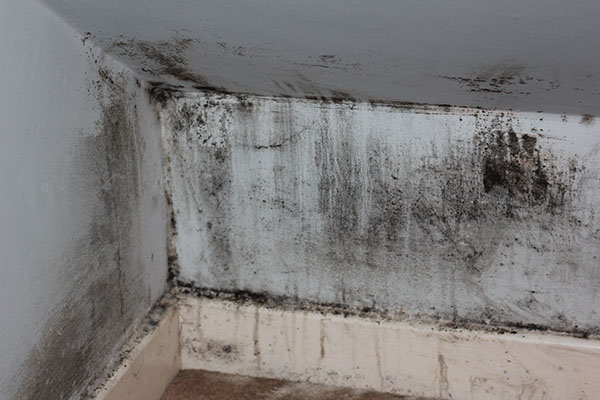
Indoor air quality plays an essential role in maintaining overall health and well-being. Exposure to harmful substances can lead to serious health concerns, especially when dealing with mold growth. Often found in damp and poorly ventilated areas, black mold can pose various health risks. This article explores the effects of exposure and how to recognize it to prevent potential harm.
Respiratory Issues and Breathing Difficulties
One of the most serious health risks involves respiratory problems. Knowing how to identify black mold becomes essential when frequent coughing, sneezing, or breathing difficulties occur. Inhalation of mold spores can irritate the lungs, causing inflammation and discomfort. Individuals with asthma or allergies may experience worsened symptoms due to prolonged exposure.
Mold particles spread easily through the air, making them difficult to avoid indoors. Constant exposure can lead to persistent congestion, throat irritation, and sinus infections. Severe cases may result in lung infections or long-term respiratory distress. Limiting mold growth helps prevent these complications and protects respiratory health. Proper ventilation and air filtration can also reduce airborne mildew particles, lowering exposure risks.
Allergic Reactions and Skin Irritation
Black mold exposure may trigger allergic reactions in sensitive individuals. Symptoms include itchy eyes, runny nose, and skin rashes that cause discomfort. Prolonged contact with mold-contaminated surfaces can lead to more severe reactions. Some individuals may develop hives, swelling, or persistent itching.
Skin irritation occurs when mold spores come into direct contact with the body. Certain people may experience heightened sensitivity, resulting in painful redness or dry patches. These reactions can worsen with continued exposure to mold-infested areas. Reducing mildew growth in living spaces helps minimize allergic responses and skin discomfort.
Weakened Immune System and Chronic Fatigue
Long-term exposure to black mold can weaken the immune system, making the body more vulnerable to infections. Individuals with pre-existing health conditions or weakened immunity face an increased risk of complications. Mold toxins can disrupt the body’s natural defenses, leading to frequent colds or prolonged illness. Keeping living environments mold-free helps reduce these risks.
Chronic fatigue is another concern linked to exposure. Constant mold inhalation can cause headaches, dizziness, and overall exhaustion. Many individuals experience difficulty concentrating or maintaining energy levels throughout the day. Preventing mold growth in homes and workplaces improves overall well-being and sustained energy levels.
Neurological Effects and Mental Health Concerns
Exposure to black mold can impact brain function and mental well-being. Some individuals report memory problems, confusion, or difficulty focusing. Mold toxins may interfere with cognitive abilities, leading to mood swings, anxiety, or even depression. Identifying and removing mold helps prevent these harmful effects.
Headaches and migraines often occur due to prolonged exposure. Mold spores release airborne toxins that may trigger neurological symptoms. Those exposed for extended periods may experience worsening mental fog or dizziness. Reducing mold presence in indoor spaces promotes better mental clarity and emotional stability.
Why Is Professional Mold Remediation Important for Health?
Black mold can spread quickly and remain hidden in walls, ceilings, and damp areas. Removing mold without proper techniques can release harmful spores into the air. Professional remediation ensures thorough removal and prevents future mold growth. Experts use specialized tools to detect and eliminate mold safely.
Trained professionals assess moisture sources and identify areas prone to mold infestations. Proper removal methods help prevent recurring exposure and protect indoor air quality. Attempting DIY removal can often make the situation worse, leading to greater contamination. Seeking professional assistance ensures a safe and effective mildew removal process.
Recognizing and preventing mold exposure plays a crucial role in maintaining overall health. Professionals guide on how to identify black mold, which helps prevent serious health risks, and taking proactive measures ensures a safer indoor environment. Addressing moisture issues, improving air circulation, and reducing mold presence contribute to better respiratory and mental well-being. A clean and mildew-free space promotes long-term health and comfort.