
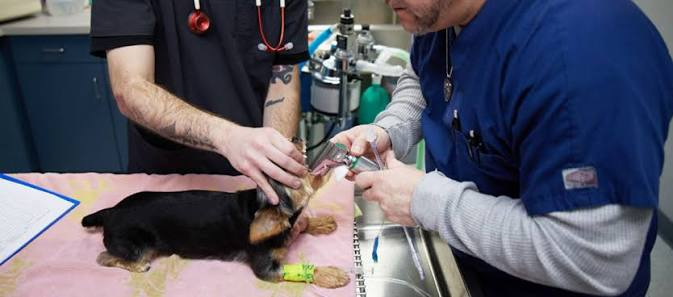
When a pet cannot breathe, stand, or stop bleeding, you feel shock in your chest. Time stretches. You search for help and hope the clinic you choose is ready. In that moment, calm skill matters more than anything. This blog shows how veterinary teams prepare for those hard minutes, so you know what happens after you rush through the door. You see how they sort urgent cases fast, start treatment, and keep you informed. You learn how a veterinarian in Bacliff, TX uses simple systems to act quickly when seconds count. You also see how staff train for chaos, stock tools, and work as one tight unit. This knowledge will not erase fear. It can ease the sense of helplessness and help you speak up with clear questions when your pet needs emergency care.
How Clinics Decide What Comes First
When you arrive, the team does not start with forms. They start with your pet’s breathing, heart, and level of response. This first check is fast. It tells them who needs care right away and who can wait a short time in safety.
Staff look for three things.
- Airway and breathing
- Heart rate and bleeding
- Awareness and pain
You may see a nurse move your pet straight to a treatment room. You may stay in the lobby for a few minutes. Both choices come from this first check. The goal is simple. The sickest pets go first. The rest still get care, only in a safer order.
What Happens Behind The Treatment Door
Once your pet is in the treatment room, the team moves with clear steps. There is no rush that feels wild. There is sharp focus and short words.
Staff often split roles into three parts.
- One person keeps the airway open and watches breathing
- One person checks the heart, places lines, and gives fluids
- One person gathers tools, draws blood, and records numbers
You may hear quiet counts, short updates, and fast choices. Each step follows patterns taught in emergency courses. These patterns match guidance from places such as the U.S. Food and Drug Administration Center for Veterinary Medicine, which stresses safe use of drugs and clear records.
Tools Clinics Keep Ready For Crisis
Clinics keep an emergency cart packed and sealed. Staff check it often. Nothing waits in a back room. Everything sits close to where your pet will lie.
Common tools include three groups.
- Airway tools such as oxygen lines and breathing tubes
- Heart tools such as monitors and defibrillators
- Support tools such as IV pumps, bandage sets, and blood kits
Staff know the cart by memory. This cuts lost seconds when a heart stops, or bleeding starts again.
Sample Emergency Response Steps
| Situation | First 3 Clinic Actions | How You Can Help |
|---|---|---|
| Severe bleeding | Apply pressure. Place IV line. Start fluids. | Keep pressure on wounds during transport. Tell staff when bleeding began. |
| Breathing trouble | Give oxygen. Check the airway. Check chest movement. | Keep your pet in a calm, upright position. Do not block the mouth or nose. |
| Hit by a car | Stabilize spine. Check chest. Check the belly for hidden injury. | Move your pet on a flat surface if you can. Avoid bending the neck or back. |
| Seizure | Protect head. Give seizure drugs. Check blood sugar. | Do not hold the tongue. Clear space around your pet and time the seizure. |
How Teams Train For Chaos
Strong emergency care comes from practice. Teams run drills often. They stage fake cases and treat them as if they are real. Each drill ends with a short talk about what worked and what failed.
Training usually covers three parts.
- Medical skills such as CPR, wound care, and shock care
- Team skills such as clear speech and role changes
- Safety rules for staff, pets, and families
Many clinics use guidance from veterinary schools and groups that share new science and safer methods. This keeps old habits from blocking better care.
Your Role Before You Reach The Clinic
You cannot control every detail of an emergency. You can still prepare. Simple steps today can cut fear later.
- Save the clinic’s phone number in your phone
- Ask about after-hours plans and emergency partners
- Keep a small pet first aid kit at home and in your car
You can learn basic pet first aid through trusted sources such as the Centers for Disease Control and Prevention’s Healthy Pets pages. These guides show clear steps for bites, scratches, and safe handling.
What To Expect With Communication And Consent
During an emergency, you face quick choices. The team should give short, honest updates. You should hear three things.
- What is happening right now
- What the next step looks like
- What risks and costs come with that step
You have the right to ask for plain words. You can say, “What is the most urgent proble” or “What happens if we wait”. You also can ask, “What would you do if this were your own pet”. These questions help you stand in a hard moment with more control.
Planning With Your Regular Veterinary Team
Routine visits build trust long before a crisis. Use checkups to ask about emergency plans. You can cover three topics.
- Which signs mean you should come in right away
- Which hospitals they work with for overnight or specialty care
- How they share records fast during emergencies
When you know this, you act faster and speak with more strength. The clinic can then move straight to care instead of sorting basic details while your fear grows.
Standing With Your Pet When Seconds Count
Emergency care will always carry fear. Still, you do not stand alone. Clinics plan, train, and stock tools so they can meet your worst day with steady hands. When you understand how they work, you can arrive at clear words, faster choices, and greater trust. That shared effort gives your pet the strongest chance for safety and healing when time feels thin and every breath matters.