
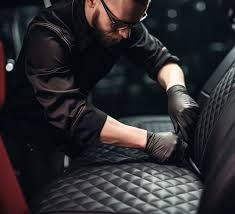
Understanding Car Interior Fabric Types
Choosing the right car interior fabric is essential for both comfort and style. Natural fibers, synthetic fabrics, and premium materials each offer unique benefits. Here’s a look at these options to help you decide what’s best for your car.
Natural Fibers
Natural fibers like wool and cotton enhance car interiors with comfort and style. Wool regulates temperature, while cotton adds breathability. Blends of these fibers offer quality and sustainability, but they may be less resistant to stains and wear compared to synthetic fabrics.
Synthetic Fabrics
Synthetic fabrics like nylon, polyester, and vinyl are durable and easy to maintain, making them popular for vehicles. Nylon is strong, polyester is versatile and affordable, and vinyl is low-maintenance. Though synthetic materials lack warmth compared to natural fibers, they offer stylish options at a lower cost.
Premium and Luxury Materials
For a high-end feel, consider premium materials like leather and Alcantara. Leather offers durability and a timeless look, while Alcantara provides a suede-like feel without the maintenance. Though pricier, these materials enhance your car’s interior, adding elegance and comfort for luxury enthusiasts.
Comparing Popular Car Upholstery Materials
Choosing car upholstery involves considering factors like comfort, durability, maintenance, and environmental impact. Various materials offer distinct advantages and considerations.
Leather and Leather Alternatives
Leather upholstery is a classic choice, known for its luxury and comfort. It’s made from animal hides and offers a superior look and feel that many people love. Leather is easy to clean, making it ideal for families and pet owners. However, it can be expensive, and it might feel hot in the summer and cold in the winter.
Synthetic leather or faux leather provides a similar appearance to genuine leather but at a lower cost. It is more resistant to scratches and is easier to maintain. Faux leather is a strong option if you want the leather look without relying on animal products. This makes it eco-friendly for those seeking sustainable alternatives.
Vinyl and Vinyl Upholstery
Vinyl interiors are popular for their durability and ease of cleaning. This material is less costly compared to leather and holds up well against spills and stains. Vinyl upholstery is particularly suitable for areas with heavy usage as it is resistant to wear and tear.
However, vinyl doesn’t have the premium feel of leather and can become uncomfortable in extreme temperatures, just like leather. If you’re seeking something practical with a reasonable price tag, vinyl might be a great fit.
Fabric Upholstery Options
Fabric options like cotton, nylon, and polyester are common due to their affordability and comfort. They provide a cozy feel and are available in various colors and patterns. Nylon and polyester are particularly durable and resistant to fading, making them suitable for families with kids or pets.
Microfiber and suede are more luxurious fabric choices, offering a soft touch with a more elegant look. While fabric interiors can be more challenging to clean compared to leather or vinyl, they’re often machine washable or treatable with fabric cleaners.
Eco-Friendly and Recycled Fabrics
Eco-friendly upholstery materials prioritize sustainability and minimal environmental impact. Alcantara and other recycled materials are gaining popularity for their environmental benefits. Alcantara is a synthetic material that mimics suede, offering a premium feel without using animal products.
These materials are often made from recycled plastics and other materials, reducing waste and promoting sustainable practices. If environmental concerns are a priority, seek out recycled fabrics who offer both a stylish look and a smaller carbon footprint.
Key Factors for Choosing Car Interior Fabrics
When picking out car interior fabrics, it’s crucial to consider both practicality and style. Your comfort, the look of the interior, and how colors and patterns fit together are key factors.
Comfort and Breathability
Comfort is key when choosing fabrics. Your car seat should feel good even during long drives. Look for fabrics known for their softness, like cotton or velour. They provide a cozy feel.
Breathability is also important. Fabrics like mesh or microfiber allow air to flow, reducing sweat during hot days. This keeps your seats fresh and comfortable. It’s especially handy if you live in a region with warm weather.
Always consider how the fabric feels in all seasons. This ensures both comfort and practicality for year-round use.
Aesthetic and Visual Appeal
The look of your car matters, and your interior fabrics play a big role in that. You might choose materials like leather or suede for a sleek, classy appearance. These options can make your car feel luxurious and stylish.
Patterns and textures also contribute to visual appeal. Plaid or tweed can add character without being too flashy. These choices express your style while enhancing your car’s overall vibe.
Think about how different fabrics will look under different lighting conditions, as this can impact the aesthetic. Keeping your car interior visually appealing is as crucial as keeping it comfortable.
Color and Style Considerations
Picking the right color and style brings your car’s interior to life. Neutral colors like beige or grey create a calm space, while brighter colors, like red or blue, add energy and personality.
Coordinate your fabric choice with your car’s exterior. This creates a harmonious look and can even increase the vehicle’s appeal. Consider using contrasting stitching for a unique touch.
If you frequently transport kids or pets, dark shades might be better since they typically hide stains well. Making thoughtful decisions about color and style helps you design an interior that’s both beautiful and practical.
Evaluating Durability and Longevity
When choosing car interior fabrics, it’s important to focus on wear resistance, stain and water protection, and how well the fabric handles UV rays and temperature changes. Picking the right materials can help you enjoy a comfy and long-lasting car interior.
Wear and Tear Resistance
Durability is key when evaluating car fabrics. Fabrics like leather and high-quality synthetic materials are known for their durability and can endure frequent use. Leather, while more expensive, provides excellent resistance to wear and tear. Synthetic fabrics can mimic leather’s durability at a lower price.
Consider performance fabrics like Alcantara, which offers a soft feel with strong wear resistance. These materials are designed to withstand the rigors of daily use, ensuring your car seats remain in good condition for years.
Stain and Water Protection
Stain protection is crucial for maintaining the look of your car interior. Fabrics with stain resistance like treated cloth and certain synthetics are easier to clean and maintain. Scotchgard or similar treatments can be applied to enhance stain protection.
Water resistance is another factor to look for. Water-repellent fabrics prevent spills from soaking into the material, reducing damage and odor. Neoprene, a synthetic rubber, is popular for its excellent water protection, keeping your seats dry and clean.
READ MORE : JMeter vs. LoadRunner
UV and Temperature Regulation
UV protection helps maintain your car’s interior color. Fabrics with UV resistance prevent fading caused by sunlight. Materials like vinyl and leather can include UV-blocking technologies that maintain their color and texture longer.
Temperature regulation is also crucial. Some fabrics, like natural fibers, breathe better, helping to regulate temperature by keeping seats cooler in summer and warm in winter. Leather, while luxurious, can get hot, so consider options with built-in temperature control or layer with cooling covers to enhance comfort.
Assessing Environmental and Health Impacts
Choosing car interior fabrics involves considering both the environment and your health. Look for materials that are friendly to the planet, such as recycled options. Pay attention to hypoallergenic fabrics to ensure safety from allergens.
Sustainable and Recycled Materials
Using eco-friendly materials, like recycled plastics and bamboo, enhances car sustainability. Natural fibers such as wool and cotton are biodegradable, while smart fabrics with sensors improve air quality. Non-toxic dyes and treatments are essential to minimize chemical exposure, benefiting both the environment and people.
Hypoallergenic and Safe Options
When choosing fabrics, consider your health. Some materials may have VOCs that can cause skin irritations. Choose hypoallergenic options like organic cotton to minimize exposure to harmful chemicals. Look for low emission labels to ensure a healthier environment inside your car.
Special Considerations for Upholstery Choices
When choosing car interior fabrics, it’s essential to consider where the fabric will be used, how it might affect the car’s resale value, and the tactile feel of the material. Keeping these aspects in mind ensures both comfort and functionality in your vehicle’s interior.
Fabric Selection for Door Panels
When selecting fabric for door panels, think about durability and appearance. Door panels are often touched, so they need to withstand wear and tear. Nylon and polyester are popular choices because they resist stains and are easy to clean. Leather offers a luxurious feel but can be expensive.
Matching the fabric’s color and texture with the rest of the car’s interior is important. Consistent styling creates a cohesive look inside your vehicle.
Impact on Vehicle Resale Value
The type of upholstery you choose can significantly impact your car’s resale value. High-quality materials, like leather or premium woven fabrics, often increase resale value. These fabrics appeal to potential buyers looking for luxury and quality.
Fabrics that are easy to maintain and resist staining also enhance value. Well-kept interiors suggest the vehicle was well-maintained. This can lead to a higher selling price. Consider popular and classic colors that stay in style and appeal broadly.
Thickness and Feel
Thickness and feel are crucial for both comfort and durability. Thicker fabrics often feel more luxurious and provide better cushioning. They offer added comfort for longer drives. Thicker materials also tend to be more durable, resisting tears and wear better than thinner fabrics.
When choosing, touch the material to ensure it feels right for you. Consider whether it feels warm or cool, as this affects comfort under varying temperatures.