
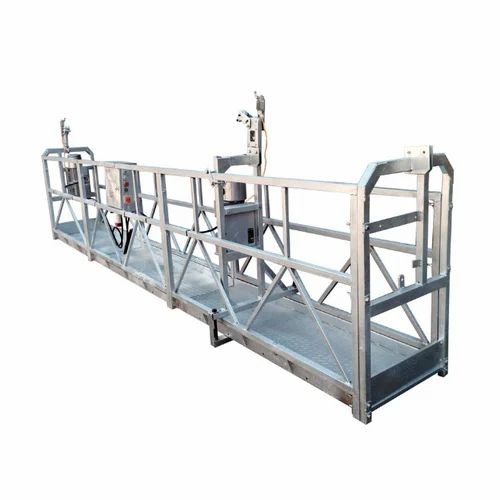
Overview of Suspended Platforms
Suspended platforms are crucial for tasks at heights, enabling safe and efficient access to elevated areas. They are widely used in building maintenance, construction, and inspection work.
What Is a Suspended Platform
A suspended platform, sometimes called a gondola, is a type of temporary suspended access equipment. It’s primarily used for work on building exteriors and other tall structures. These platforms hang from the top of a building or structure, allowing you to work safely at different heights.
The platforms include key safety features like guardrails and safety harnesses. Adjustable ropes or mechanical systems enable movement up and down. The setup is practical for tasks that need frequent repositioning, making it a favorite in various industries.
Types of Suspended Platforms
Several types of suspended platforms are available. Two-point (swing stage) scaffolds are among the most common. They are suspended by two ropes and allow for even weight distribution.
Other types include single-point and multiple-point systems. Single-point platforms are often used for smaller areas, while multiple-point systems cover larger sections. Rope suspended platforms, known as RSPs, offer flexibility and ease of installation. Each type caters to specific project needs, ensuring effective and safe operations.
Common Terminology
When talking about suspended platforms, it’s helpful to know some common terms. Platform load capacity refers to the maximum weight the platform can safely hold, including workers and equipment.
Rope suspended platforms or RSPs are those that use ropes for elevation. A gondola can be another term for these platforms, often used in discussions about building maintenance tools. Knowing these terms helps you communicate effectively with professionals in construction and maintenance fields.
Key Features of Suspended Platforms
When working with suspended platforms, you should focus on important aspects such as the materials used in their construction, the power systems that operate them, their weight capacity, and how safety is maintained.
Design and Construction Materials
Suspended platforms are made from sturdy materials to ensure durability. Typically, you’ll see materials like steel, aluminum, and galvanized steel.
Aluminum is light, making platforms easier to transport and set up. Steel provides strength and stability, while galvanized steel adds extra rust resistance for outdoor conditions. Sometimes, painted steel is used for added protection and aesthetics.
Cables, often made of high-strength steel, play a crucial role in suspending these platforms securely. Choose materials based on the specific requirements of your project and the environmental conditions.
Power and Electrical Systems
The power systems that run suspended platforms are essential for their operation. Most platforms use an electric power source. Commonly, the power setup involves motors that need a specific voltage and frequency to work smoothly.
Understand the rated power of the motor system to ensure efficiency. Power needs can vary based on platform size and design. Electrical components are carefully sealed to handle different weather conditions without failing. Make sure connections are regularly checked to maintain performance.
Weight and Load Capacity
Weight and load capacity are critical to safe operation. Each platform has a specific rated load it can carry safely. This includes the weight of the workers, tools, and materials.
Being aware of the platform’s load capacity ensures it’s not overloaded, which could lead to hazardous conditions. Platforms are designed to distribute weight evenly across the structure. Knowing these limits is key to planning any work at height and avoiding overloading.
Stability and Safety Features
Stability and safety are top priorities when using suspended platforms. Features like guardrails and safety harness points are common. These guard against falls and accidents, ensuring your safety at heights.
A safety lock is crucial as it secures the platform in case the main suspension system fails. Regular maintenance checks should be conducted to ensure all components are in good condition. Proper training on safety devices and stability protocols is essential for anyone operating these platforms.
Safety Components and Systems
Ensuring safety when using suspended platforms is vital. Protecting workers involves various components and systems to prevent accidents and injuries. From safety locks to fall arrest systems, these features are crucial for secure operations on any suspended platform.
Safety Locks and Devices
You must ensure every platform has safety locks and devices that secure it in place. These locks prevent accidental movements. A common safety lock model uses mechanical locks that engage automatically if there’s any change in tension.
These devices are essential for stable and secure platforms, especially during unexpected stops. They give you peace of mind knowing that the platform won’t move unexpectedly. Safety devices also include automatic brakes that activate during power failures, keeping the platform securely in place.
Fall Arrest Systems and Harnesses
Fall arrest systems, including safety harnesses, are must-haves on suspended platforms to ensure safety. You attach a safety harness to your body. This harness connects to a secure anchor point, protecting you if you lose your balance.
Lanyard attachments are also part of the system. They link the harness to anchors, minimizing fall distance and absorbing shock. Having a reliable fall arrest system can prevent serious injuries, keeping you safe while working at heights.
Limit Switches and Emergency Stops
Limit switches are installed to prevent overextension and potential hazards. These switches stop the platform from moving beyond designated areas, maintaining safe access points. They are crucial in preventing defective equipment from causing accidents.
The emergency stop button is another critical component. Positioned within easy reach, it allows you to immediately halt the platform during emergencies. This quick response capability is essential for preventing accidents and mitigating risks during platform operations.
Inspection and Maintenance
Regular inspection and maintenance are non-negotiable for the reliability of safety components. You should frequently inspect safety equipment to identify and repair any issues, such as damaged ropes or malfunctioning devices, before they compromise safety.
Documenting inspections is vital for tracking the condition of your equipment. Replace any defective equipment immediately to maintain operational safety. Regular maintenance ensures that everything from locks to harnesses functions as expected, providing continuous safety for all platform users.
Core Components of Suspended Platforms
Suspended platforms are highly adaptable systems used for various elevated tasks. The core components include hoists, wire ropes, and platform designs. Each plays a critical role in ensuring safety and efficiency.
Hoist Models and Lifting Mechanisms
The hoist is crucial for lifting and lowering the platform. Electric hoists are often used due to their precision and adjustable lifting speeds. You may find models with features such as brake torque for stability and overload sensors for safety. These components help prevent accidents and ensure smooth operation.
Adjusting the lifting speed can improve task efficiency, and understanding the hoist’s capabilities helps you match the right model to your needs. Proper maintenance is key to reliable performance.
Wire Ropes and Suspension
Wire ropes, sometimes known as suspension ropes, are essential for supporting the platform. They are usually designed to handle significant weight and stress. Regular inspection is necessary to maintain their integrity.
Anchor ends and outriggers secure the ropes, while roof beams or cornice hooks may be used as support points. The correct installation ensures that the platform remains stable, providing confidence and safety while working at heights.
Platform and Cradle Design
The platform, often referred to as the cradle, comes in various sizes and designs. It must be robust enough to support workers and their tools. Counterweights are commonly employed to balance the load.
Consider the electric cable management for ease of movement and reduced risk of tripping. Proper design ensures not only the worker’s safety but also convenience and ease of access to the working areas. The well-thought-out design helps make your tasks safer and more efficient.
Applications of Suspended Platforms
Suspended platforms are useful in many industries, especially for working on tall structures. They make tasks like building, painting, and maintaining high-rise buildings easier and safer. These platforms are also used in specialized areas, including bridges and dams.
Building Construction and Facade Work
In construction, suspended platforms are vital. They allow workers to safely reach high areas on skyscrapers and other large projects. These platforms are perfect for facade work, where workers install or repair exterior elements.
Suspended platforms provide easy access to buildings, ensuring efficient and safe construction. They support both tools and materials, while safety features like guardrails and harness points reduce risk for workers.
Cleaning and Maintenance
Cleaning high-rise windows and facades can be dangerous. Suspended platforms provide a safe and efficient way to perform these tasks. They offer stability, so you can focus on cleaning without worrying about balance.
Maintenance tasks often require precision. Suspended platforms help you safely access high areas for routine checks and repairs. You can work more comfortably and securely with the help of built-in safety features.
Specialized Uses: Bridges, Dams, and Silos
Suspended platforms aren’t just for buildings. They are important in maintaining structures like bridges, dams, and silos. These structures often have surfaces that are hard to reach, making suspended platforms an excellent choice.
In bridges, workers use them to inspect and fix any issues in the structure. For dams, they assist in restoring and maintaining surfaces. Silos also benefit from these platforms for repair and cleaning, ensuring they operate efficiently.