
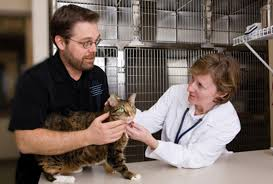
Pet obesity is common and painful. Extra weight strains joints. It stresses the heart. It shortens life. You may feel guilt or shame when you see the scale. Your pet only feels confusion and growing discomfort. A general veterinarian sees this every day and knows what works. In a single visit, your doctor can measure body condition, rule out disease, and create a simple nutrition plan. Then, steady follow-up keeps you on track. A veterinary clinic in San Marcos can also coach you on feeding, treats, and exercise that fit your daily routine. You learn how to read pet food labels. You learn how to notice hunger cues and boredom cues. With clear steps and honest support, your veterinarian becomes a partner in your pet’s weight loss. You do not have to guess. You only need to start.
1. Your Veterinarian Finds the Real Cause of Weight Gain
Extra weight is not always from “too much food.” Sometimes a medical problem hides under the fat. Thyroid disease, arthritis, and some medicines can slow movement and change appetite. Age changes the body too. You cannot see these changes at home. Your veterinarian can.
During a visit, your doctor will usually:
- Take a full history. How much your pet eats, what, and when.
- Check body condition score from 1 to 9 with hands and eyes.
- Listen to the heart and lungs. Feel joints and muscles.
- Order blood tests or other tests if needed.
This careful review shows if weight gain comes from food, low activity, disease, or a mix. Then your plan matches the cause. You stop guessing and stop blaming yourself.
For a clear explanation of healthy weight and body condition scores, you can read the chart from the World Small Animal Veterinary Association. It gives simple pictures and steps that match what your veterinarian uses in the exam room.
2. Your Veterinarian Builds a Safe Feeding Plan
Many owners cut food too fast. Rapid weight loss can harm the liver and cause weakness. Your veterinarian knows how to lower calories in a safe way. You get a feeding plan that fits your life instead of a guess pulled from the internet.
Your doctor may:
- Set a target weight based on breed, age, and body shape.
- Choose a calorie goal per day.
- Pick a specific food that supports weight loss.
- Set treat rules so you do not feel you must stop all rewards.
Here is a simple example of how a home plan and a clinic-guided plan can differ.
| Plan Type | How Food Is Measured | Expected Weekly Weight Change | Risk of Health Problems |
|---|---|---|---|
| Guess at Home | “About” a cup by eye | Unclear. Often none or too fast | Higher. Crash diets or no change |
| Vet Guided Plan | Measured grams or cups with chart | About 1 to 2 percent body weight loss | Lower. Regular checks and lab work if needed |
This pace may feel slow. It protects organs and helps your pet keep muscle while losing fat. It also feels more possible for you. You know what to scoop. You know how to handle treats from family and guests.
3. Your Veterinarian Designs Movement That Does Not Hurt
Exercise sounds simple. Walk more. Play more. Yet a heavy pet can feel pain with every step. Forced runs or long hikes can damage joints. Your veterinarian can shape an activity plan that builds strength without harm.
Common steps include:
- Short, frequent walks on flat ground instead of one long walk.
- Gentle indoor play like food puzzles and slow fetch.
- Controlled stairs or ramp use if joints allow.
- Referral to rehab services like underwater treadmills, where available.
Your doctor can also prescribe pain control for arthritis or other problems. When pain drops, movement rises. When movement rises, weight drops. This cycle reduces the risk of diabetes and heart strain over time.
You can learn more about safe pet exercise and weight control from the American Veterinary Medical Association. It offers clear tips that match what your veterinarian will explain in person.
4. Your Veterinarian Keeps You Accountable and Supported
Weight loss is not a one-time fix. It is a steady process. Life events, schedule changes, and stress can all disrupt feeding and walks. A general veterinarian stays with you through these shifts.
Ongoing support may include:
- Regular weigh-ins every four to eight weeks.
- Body condition checks to track fat and muscle.
- Adjustments to food amount if progress stalls.
- Talking through family habits like table scraps or multiple feeders.
These visits are short and focused. They give you clear numbers. They also give you space to talk through guilt, worry, or pressure from others. Your veterinarian keeps the focus on the next three steps, not past mistakes.
Turning Concern Into Action
Pet obesity is not a sign of poor love. It is a sign that the plan needs to change. A general veterinarian offers medical skills, nutrition guidance, safe exercise ideas, and steady follow-up. You bring care and the daily choices. Together, you protect your pet’s comfort, energy, and years of life.
If you feel a knot in your stomach every time you lift your pet, do not wait. Call your clinic. Ask for a weight check and a nutrition visit. One visit can replace blame with a clear path forward. Your pet trusts you. You can honor that trust with help from your veterinarian and start today.