
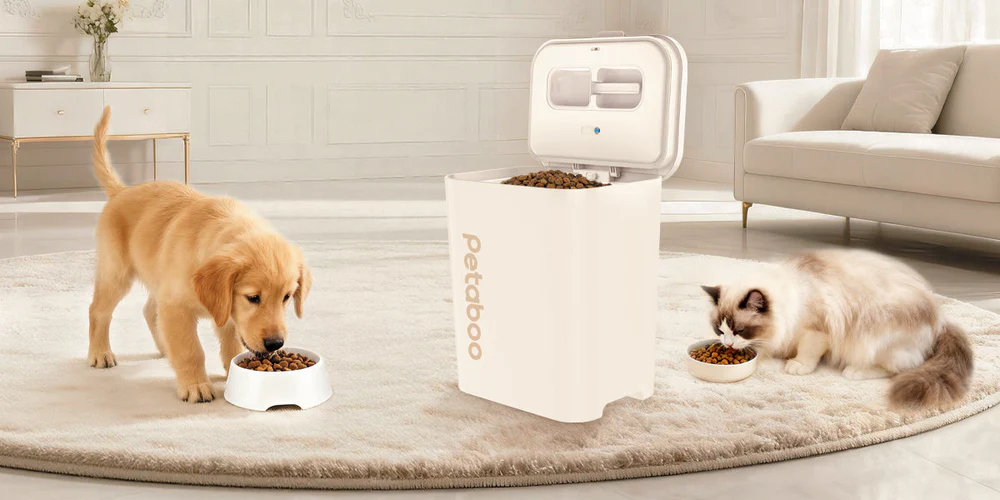
Pet owners often spend a great deal of time choosing high-quality food for their dogs and cats, carefully reading ingredient lists and nutritional information. However, once the food is brought home, the way it is stored is frequently overlooked. Improper storage can lead to loss of nutrients, unpleasant odors, contamination, and even health risks for pets. Understanding how to store pet food correctly is just as important as selecting the food itself.
Pet food, whether dry, semi-moist, or freeze-dried, is sensitive to air, moisture, light, and temperature changes. Over time, these elements can degrade fats, promote mold growth, and reduce overall freshness. This article explores practical and effective pet food storage tips, focusing on real household scenarios and habits, while naturally introducing vacuum storage containers as a modern and reliable solution.
Why Proper Pet Food Storage Matters More Than You Think
Pet food is formulated to provide a balanced combination of protein, fats, vitamins, and minerals. Once a package is opened, that balance begins to change. Exposure to oxygen accelerates fat oxidation, which can cause food to become stale and develop an unpleasant smell. Moisture can introduce bacteria or mold, while excessive heat can destroy heat-sensitive nutrients.
From a pet’s perspective, stale or spoiled food may lead to digestive discomfort, reduced appetite, or long-term health issues. From an owner’s perspective, improper storage often results in wasted food, frequent replacements, and unnecessary expenses. Proper storage is therefore not only about food safety, but also about maintaining nutritional value and reducing waste.
Common Storage Mistakes Many Pet Owners Make
One of the most common mistakes is keeping pet food in its original bag after opening without additional protection. While pet food packaging is designed for transportation and shelf display, it is not always intended for long-term storage once opened. The thin inner lining of many bags allows air to seep in gradually, especially when the bag is opened and closed repeatedly.
Another frequent issue is storing food near heat sources such as ovens, windows, or appliances. Even if the room feels comfortable, fluctuating temperatures can shorten the shelf life of pet food. Additionally, some owners store food in humid environments like kitchens or laundry rooms, unknowingly increasing the risk of moisture absorption.
Understanding the Enemies of Pet Food Freshness
To store pet food properly, it helps to understand what causes it to spoil. Oxygen is one of the primary culprits, as it reacts with fats and oils in the food. This process, known as oxidation, leads to rancidity and nutrient loss over time.
Moisture is another major concern. Even a small amount of humidity can create an environment where mold and bacteria thrive. Light exposure, particularly direct sunlight, can further accelerate degradation by breaking down vitamins and altering the food’s composition. Finally, pests such as insects or rodents are attracted to exposed food, posing both safety and hygiene risks.
The Importance of Airtight and Sealed Storage
An airtight storage environment is one of the most effective ways to protect pet food from external elements. By limiting air exposure, the food remains fresher for longer periods, retaining its original aroma and texture. This is especially important for pets that are sensitive to changes in smell or taste and may refuse food that seems “off.”
Sealed storage also helps prevent cross-contamination from other household odors. Pet food can easily absorb smells from cleaning products, spices, or other foods, which may alter its palatability. A tightly sealed container acts as a barrier, preserving the food’s natural scent and flavor.
Why Vacuum Storage Containers Are a Practical Solution
真空保存容器 offer a more advanced approach to pet food preservation. Unlike standard airtight containers, vacuum systems actively remove excess air from inside the container, significantly reducing oxygen exposure. This process slows down oxidation and helps maintain the food’s nutritional quality over time.
In everyday household use, vacuum storage containers are particularly beneficial for large bags of dry pet food that are consumed gradually. By maintaining a low-oxygen environment, the food remains closer to its original factory-sealed condition. This can be especially useful for multi-pet households or owners who prefer to buy pet food in bulk.
Another advantage is moisture control. With less air inside the container, there is less humidity available to compromise the food. This creates a more stable storage environment, even in climates where humidity levels fluctuate throughout the year.
Choosing the Right Location for Pet Food Storage
Even the best container cannot fully compensate for poor storage location. Pet food should be kept in a cool, dry, and shaded area of the home. A pantry or dedicated storage cabinet away from heat sources is often ideal. Avoid placing containers directly on the floor, especially in areas prone to temperature changes or moisture.
Consistency is key. Frequent movement of food between different environments can introduce condensation and temperature stress. Selecting one suitable location and keeping the food there throughout its use helps maintain stable storage conditions.
How Storage Affects Feeding Routines and Pet Behavior
Freshness plays a subtle but important role in a pet’s eating habits. Pets rely heavily on smell when deciding whether to eat. Food that has lost its aroma due to prolonged air exposure may appear less appealing, even if it is technically safe to consume.
Proper storage helps ensure that each meal smells and tastes as intended, supporting consistent feeding routines. This is particularly helpful for picky eaters or older pets with reduced appetite. Maintaining food quality through thoughtful storage can contribute to better overall feeding experiences and reduced stress during mealtimes.
Balancing Convenience and Hygiene in Daily Use
Some pet owners hesitate to transfer food into containers because they worry about inconvenience or additional cleaning. However, storage solutions such as vacuum storage containers are designed with daily use in mind. Smooth interior surfaces make cleaning easier, while secure lids reduce the need for frequent handling.
Hygiene is another important factor. Containers that are easy to wash and dry help prevent residue buildup, which can attract pests or harbor bacteria. Regular cleaning between refills ensures that old crumbs or oils do not compromise the freshness of new food.
Long-Term Benefits of Better Pet Food Storage
Investing time and attention into proper pet food storage offers long-term benefits that go beyond freshness. Reduced food waste means fewer trips to replace spoiled food, saving both money and effort. Pets receive meals that are closer to their intended nutritional profile, supporting their overall health and well-being.
Over time, consistent storage habits also simplify daily routines. Knowing that food is safely stored, protected from pests, and easy to access creates a more organized feeding environment. This small but meaningful improvement can make pet care feel more manageable and enjoyable.
Final Thoughts on Smarter Pet Food Storage
Pet food storage is an often underestimated aspect of responsible pet ownership. While selecting quality food is essential, preserving that quality through proper storage is equally important. By understanding the factors that affect freshness and adopting effective storage solutions, pet owners can ensure that every meal remains safe, nutritious, and appealing.
Vacuum storage containers offer a modern and practical way to address common storage challenges, especially in households that value freshness, hygiene, and efficiency. Combined with mindful placement and regular maintenance, they can play a key role in supporting healthier feeding habits and a better quality of life for pets.
Taking small steps to improve how pet food is stored can lead to noticeable benefits over time, making it a worthwhile consideration for any pet-friendly home.