
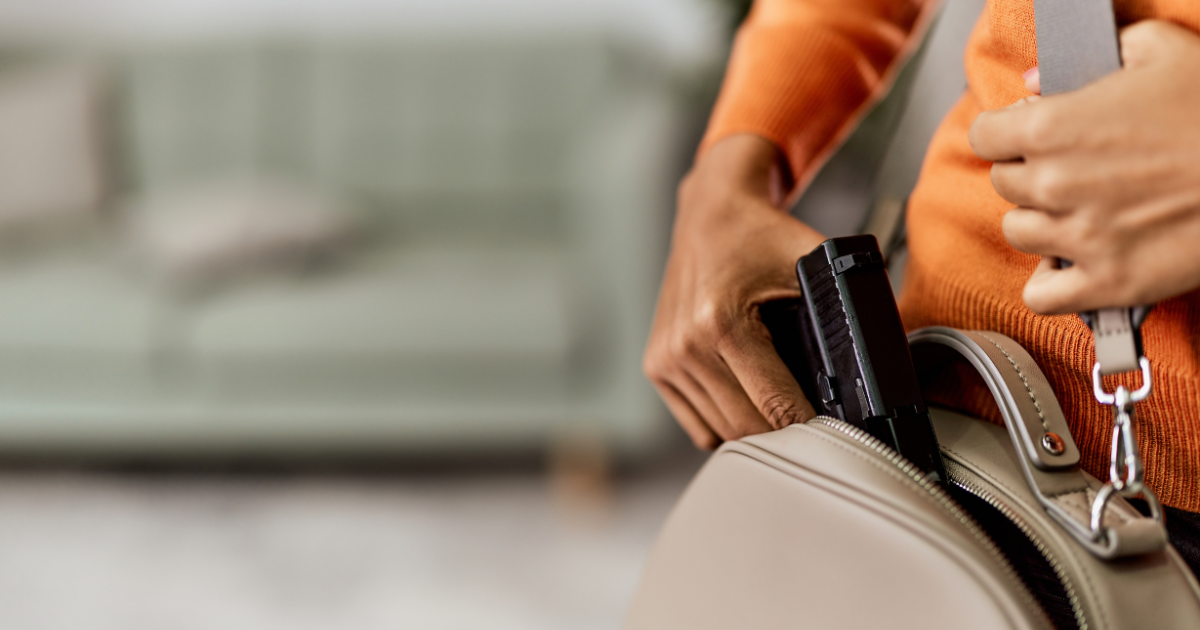
Why Concealed Carry Matters
Millions of Americans choose to carry a concealed firearm for reasons such as self-defense and personal responsibility. Data from Pew Research shows that over 30% of adults own a gun, and many live with one. For these people, concealed carry isn’t just about feeling safe; it’s about being able to respond quickly in emergencies without alarming others. It allows for discreet preparedness in a society that values both personal freedom and public safety. A concealed carry vest is one of the various modern options that provide citizens with reliable access to firearms while remaining discreet. Maintaining discretion is vital, and advances in concealment clothing have made carrying daily more practical and customizable to different body types and lifestyles. By choosing well-designed gear, individuals can be ready for uncertainties while avoiding unnecessary attention or concern in their community.
Concealment Options For Daily Life
There is no single right way to carry a concealed firearm. Instead, a wide range of options exists, each catering to personal preferences and life demands. For those constantly on the move, traditional holsters—such as inside-the-waistband (IWB) or ankle holsters—offer flexibility and adaptability. Shoulder holsters, meanwhile, work seamlessly under jackets or coats for added discretion. Dedicated concealment clothing, such as specialty vests, shirts, and jackets, seamlessly merges fashion with function for those seeking seamless integration into their daily routines.
Real-world comfort often requires periodic experimentation with these options. Feeling confident means not just concealing a firearm but doing so while maintaining natural movement and unrestricted access.
Choosing The Right Gear
Personal comfort and security go hand in hand when choosing concealed carry gear. Ill-fitting or unwieldy setups can lead to awkward adjustments and draw unwanted attention—a serious consideration for daily carriers. Equipment made from lightweight, breathable materials and featuring modern tailoring helps prevent discomfort and skin irritation, especially during prolonged wear or physical activity.
Many responsible carriers also curate a rotation of gear based on daily plans, body type changes, or seasonal shifts. Compact pistols and slim holsters are favorites in the summer, while cold months may permit heavier clothing and larger firearms. The ideal kit is one that seamlessly integrates into daily life, facilitates quick and safe access, and leaves no obvious “print” or outline beneath clothing.
Investing in quality gear pays off with increased peace of mind and lasting comfort, both of which are critical to long-term, responsible carry.
Adapting To Seasonal Changes
Carrying out daily tasks introduces new challenges with each changing season. As winter rolls in, individuals can take advantage of thicker, layered clothing to conceal even full-sized firearms. However, the additional material can create delays when accessing a gun quickly. Practicing with seasonal outfits ensures you remain prepared and don’t sacrifice accessibility for concealment.
Regardless of the weather, adaptability ensures you’re not discouraged from carrying. A readiness mindset involves regularly reviewing your carry method and wardrobe to adapt to the season and your activities.
Blending In With Style
Blending concealed carry with daily life means dressing in a way that feels authentic while remaining subtle. In professional, social, and recreational environments, the best carry solutions are those that don’t interfere with one’s confidence or ease of use. Subtle, well-fitted apparel helps avoid fidgeting or constantly checking your gear—behaviors that may draw suspicion.
Modern concealment garments draw inspiration from everyday fashion, allowing for discreet carry without a noticeable wardrobe change. Choose neutral shades, gentle patterns, and appropriate layering to minimize the risk of printing further. For example, a button-down shirt worn over a basic tee or an athletic vest can provide efficient coverage without drawing attention.
Staying stylish and confident ultimately means carrying in a way that fits your routine, personality, and local norms.
READ MORE : Top Adobe Illustrator Fonts to Elevate Your Design
Building Good Habits
Consistent routines and habits are crucial for the responsible carrying of firearms. Regular practice enhances safety and effectiveness, ensuring firearms are always secure. Implementing a cleaning and inspection schedule reduces malfunction risks. As gun safety training programs increase, more owners seek professional instruction and participate in skills drills. Practicing drawing techniques and emergency scenarios improves reaction time and builds muscle memory, making it a valuable skill in crises and when considering ethical implications.
Responsible concealed carry involves understanding and adhering to the law, which varies by state and municipality. It requires research and vigilance, as ignorance is not a valid excuse and can lead to serious consequences. Ethical carriers commit to never compromising public safety through negligence or carelessness. They avoid risky behaviors, de-escalate tense situations, and ensure firearms remain secure. Public trust relies on respect for the inherent risks and responsibilities associated with daily carrying.
Continuing Education And Training
Carrying concealed weapons requires continuous learning and adaptation. Carriers should regularly revisit safety principles, explore new gear, and participate in advanced training sessions. Engaging with local ranges, community workshops, and online forums provides expertise and accountability. Staying updated with legislative updates and discussing real-world scenarios enhances safety and confidence. The most effective carry strategy combines practical knowledge, continuous training, and daily vigilance, ensuring personal security serves the greater good.