
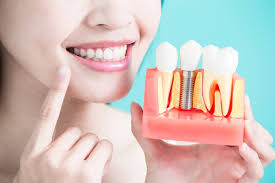
A full smile transformation should not feel fake or fragile. It should feel like you. Dental implants help make that possible. They replace missing teeth. They also protect the shape of your face and the strength of your bite. With a dental implant in Walnut Creek, you can close gaps, steady loose dentures, and support custom porcelain work that looks real. Implants fuse with bone. So they act like strong roots for new teeth. This support lets your dentist design a smile that matches your face, not just your mouth. You can chew, talk, and laugh without fear that something will slip or crack. You also avoid the sunken look that comes with missing teeth. In this guide, you will see four clear ways implants upgrade full cosmetic smile work. Each one helps you move toward a smile that feels steady, clean, and under your control.
1. Implants lock in your new teeth
When you invest in a full cosmetic plan, you want your new teeth to stay put. Implants give crowns, bridges, and dentures a strong anchor. You feel the stability every time you bite down.
Traditional dentures rest on your gums. They can move. They can rub sore spots. They can slip when you talk or eat. Implants change that. Your dentist places small titanium posts in your jaw. Bone grows around them. Then your new teeth attach to those posts. The result feels closer to natural teeth.
This firm base matters during daily life. You can enjoy family meals. You can read to your child out loud. You can join work meetings. You do not need glue. You do not need to plan your day around what your teeth might do.
2. Implants help protect your jaw and face shape
Missing teeth do more than leave a gap. Over time bone in that spot can shrink. Your cheeks can sink in. Your jaw can look smaller. This change can age your face and weaken your bite.
Implants send pressure into the bone when you chew. That pressure tells the body to keep that bone strong. The National Institute of Dental and Craniofacial Research explains that tooth loss can lead to bone loss in the jaw.
When you plan a full cosmetic smile, this bone support gives you three clear benefits.
- Your face keeps a fuller shape
- Your bite force stays more even from side to side
- Your dentist has a stronger base for bridges and crowns
These changes help your new smile look natural from every angle. Photos feel easier. So do daily eye contact and conversation.
3. Implants support clean, low-stress care
Good cleaning keeps any cosmetic work sharp. It also protects your gums and remaining teeth. Implants can make this daily care simpler.
Single crowns on implants clean much like natural teeth. You brush and floss. You keep up with checkups. You do not need to remove them at night. For many people, this routine feels familiar. It cuts stress and confusion.
The Centers for Disease Control and Prevention show that gum disease and tooth loss often go together. When you replace missing teeth with stable implants, you can clean around them with more control. Food has fewer hidden pockets to sit and rot. Your gums face less strain.
With full cosmetic cases, this matters. You protect your new crowns and bridges. You also protect any natural teeth that remain. Routine care is easier to teach to children who watch you. They see a clear pattern. Brush. Floss. Visit the dentist.
4. Implants give your dentist more design options
A strong support system opens more choices. Implants let your dentist plan your smile from the roots up. The goal is a result that fits your face, your speech, and your daily habits.
Your dentist can use implants to:
- Replace one missing tooth with a single crown
- Bridge a small gap without shaving down healthy teeth
- Lock in a full denture on the top or bottom jaw
Each option can blend with whitening, bonding, or porcelain veneers. You and your dentist can choose tooth shapes, edges, and shades that match your lips and skin tone. You do not just fill holes. You shape a full smile that feels steady and controlled.
Implants compared with traditional options
When you plan a full cosmetic change, you may weigh implants against dentures or bridges. This simple table shows how they differ in key ways.
| Treatment type | Stability when chewing | Jaw bone support | Daily cleaning | Typical use in full smile cases |
|---|---|---|---|---|
| Dental implants with crowns or bridges | High stability | Helps maintain bone | Brush and floss like natural teeth | Strong base for full cosmetic redesign |
| Removable full dentures | Low to medium stability | Does not prevent bone loss | Remove to clean and soak | Common for full tooth loss without surgery |
| Traditional fixed bridge on natural teeth | Good stability | Does not protect bone where teeth are missing | Extra care to clean under bridge | Useful for small gaps when nearby teeth need crowns |
Planning your full cosmetic smile with implants
A full smile change with implants takes time. You start with an exam and clear images of your teeth and jaw. You talk about your goals. You share what you eat, how you speak at work, and how you want your smile to look in photos.
Your dentist may stage care in three steps.
- Place implants and let them heal
- Attach healing parts and shape the gums
- Place the final crowns, bridges, or dentures
During this time, you may wear temporary teeth. You stay in close touch with your care team. You learn how to clean and protect your new work from the first day.
A strong, natural-looking smile can change how you show up in daily life. You may feel more ready to join family events. You may speak up more in meetings. You may enjoy simple things like eating corn on the cob or biting into an apple again.
Implants are not the only tool for a cosmetic change. Yet they often form the quiet structure that makes the rest of your smile plan hold steady. When you are ready, ask your dentist how implants could support your own full cosmetic transformation.